Laboratory diagnostics
Laboratory diagnostics at the practice.
Laboratory values from blood, urine or stool are a central part of our internal-medicine diagnostics. Different lab profiles are used depending on the question — from an orienting baseline to specific organ and risk parameters.
A large part of our internal-medicine diagnostics relies on laboratory values from blood, urine or stool. We take the samples at the practice and send them — depending on the question — to the laboratory cooperative or to our external specialist laboratory (Synlab). We discuss the results at the follow-up appointment.
Which values we measure
- Small and full blood count (analysis of blood cells, mature/immature cells)
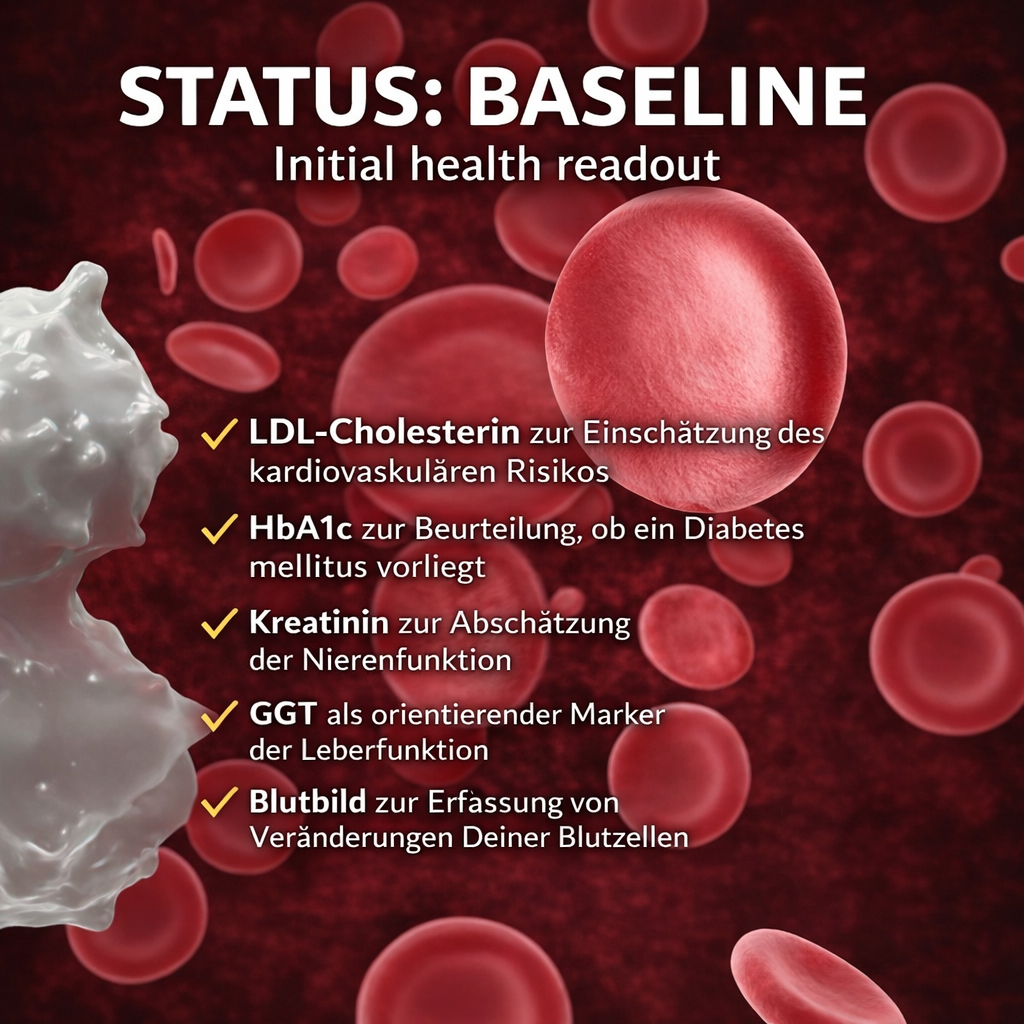
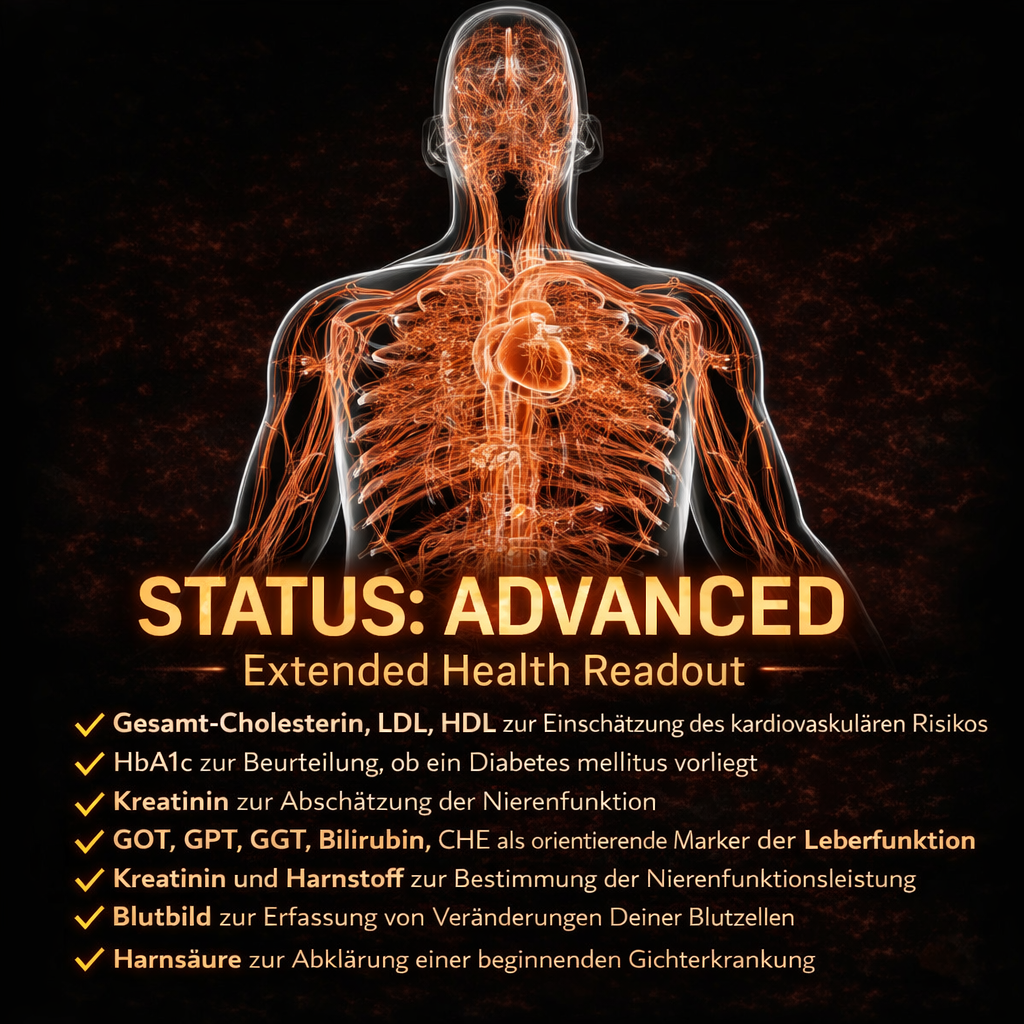
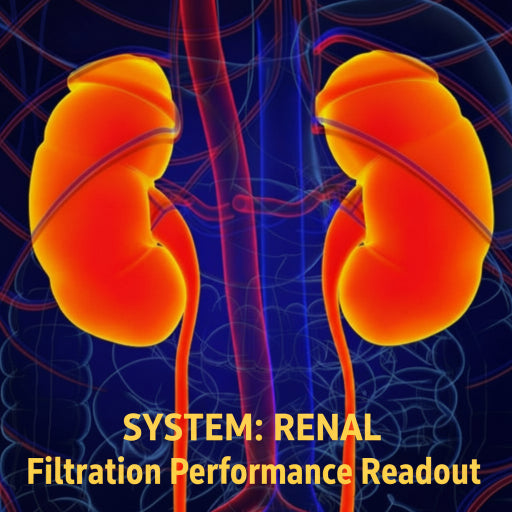
- Kidney function values (creatinine, urea, eGFR)
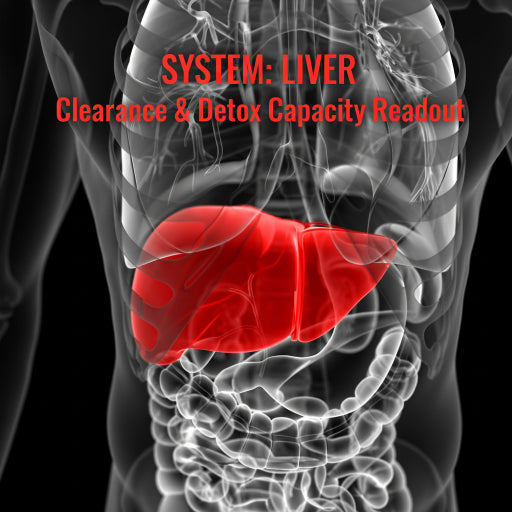
- Liver and biliary values
- Pancreas (lipase, amylase)
- Thyroid values (TSH, fT3, fT4, antibodies when needed)
- Cardiac enzymes (high-sensitivity troponin when needed)
- Inflammation markers (CRP, ESR, leukocytes)
- Coagulation (Quick, INR, PTT)
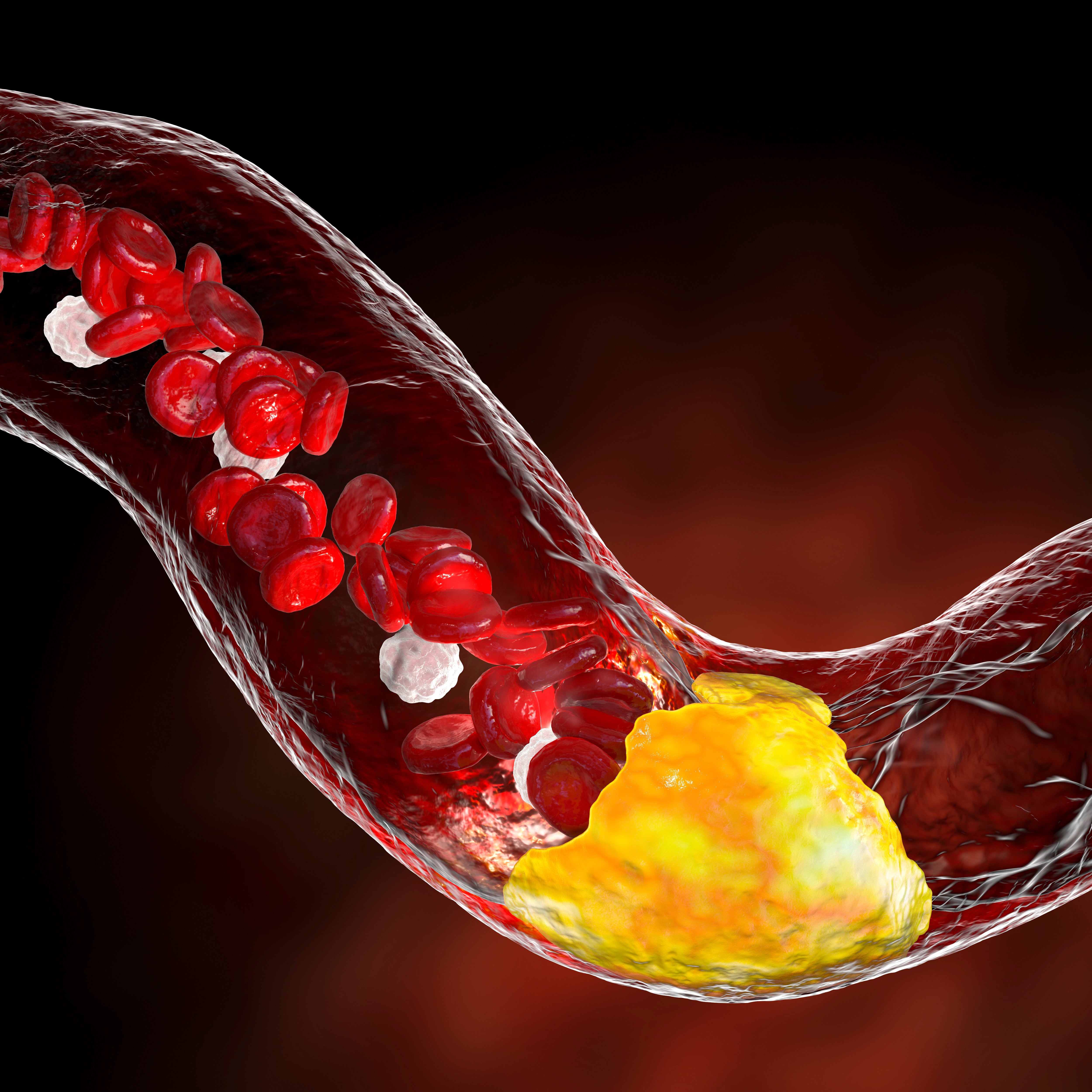
- Lipid metabolism — total cholesterol, HDL, LDL, triglycerides
- Electrolytes (potassium, sodium, calcium, magnesium)
- HbA1c (long-term glucose) and fasting glucose
- Tumour markers as follow-up parameters
- Borrelia after a tick bite, chlamydia, intestinal parasites
- Lactose and gluten intolerance
- Rheumatic factors and autoimmune antibodies
- Epstein-Barr virus (e.g. in glandular fever)
- Antibodies to check vaccination status
How the blood draw works
Blood sampling is an indispensable building block for the diagnostics of many conditions. However, errors can occur during collection, storage and transport to the laboratory which influence the result so strongly that interpretation is only partly possible. We follow standardised processes: correct order of tubes during collection, immediate transport for temperature-sensitive parameters, samples taken fasting for metabolic values.
If you need to be fasting for an appointment, we tell you so explicitly when scheduling. Fasting means: at least 8 hours without food, no sugary drinks — water and unsweetened tea are fine.
24-hour urine collection and other sample types
For certain questions your cooperation is required. For the 24-hour urine collection you collect all urine over a full day in a container we hand out at the practice. The same applies to stool samples (e.g. if intestinal parasites are suspected). We explain the procedure in writing and in person before handing out the container.
Retrieving and discussing the results
Most values are available within one to two working days. We discuss results at the follow-up appointment or — for unremarkable routine findings, and only with your consent — by phone. Notable values are always clarified in person.
Self-pay services
Beyond the statutory health-insurance scheme, certain laboratory parameters can be performed as an individual health service (IGeL). The available profiles and their contents are listed below; the indication is discussed individually with you.
Our blood test profiles
-
-
-

-

-
-
-
-

-


How your blood draw works
-
1
Appointment
Book the appointment online or by phone — preferably fasting in the morning.
-
2
Sampling
Blood draw at our practice by our trained medical assistant team — about five minutes.
-
3
Analysis
Analysis at an accredited laboratory — usually within 24 to 48 hours.
-
4
Result discussion
Personal conversation with medical interpretation of your values.


